
Courtmacsherry is a treasure trove of history, natural beauty and unparalleled hospitality. As one of the longest villages in Ireland, approximately 1.6 miles in length, Courtmacsherry offers a unique blend of historical significance, breathtaking landscapes, and warm Irish charm. Whether you’re a history buff, a nature enthusiast, or simply in search of a peaceful retreat, Courtmacsherry has something to captivate your heart.

At the heart of this enchanting village lies the Courtmacsherry Hotel, offering a perfect blend of comfort, history and hospitality. The hotel, housed in a building with over 100 years of tradition, provides bespoke, cozy rooms that offer a different experience from typical hotels.
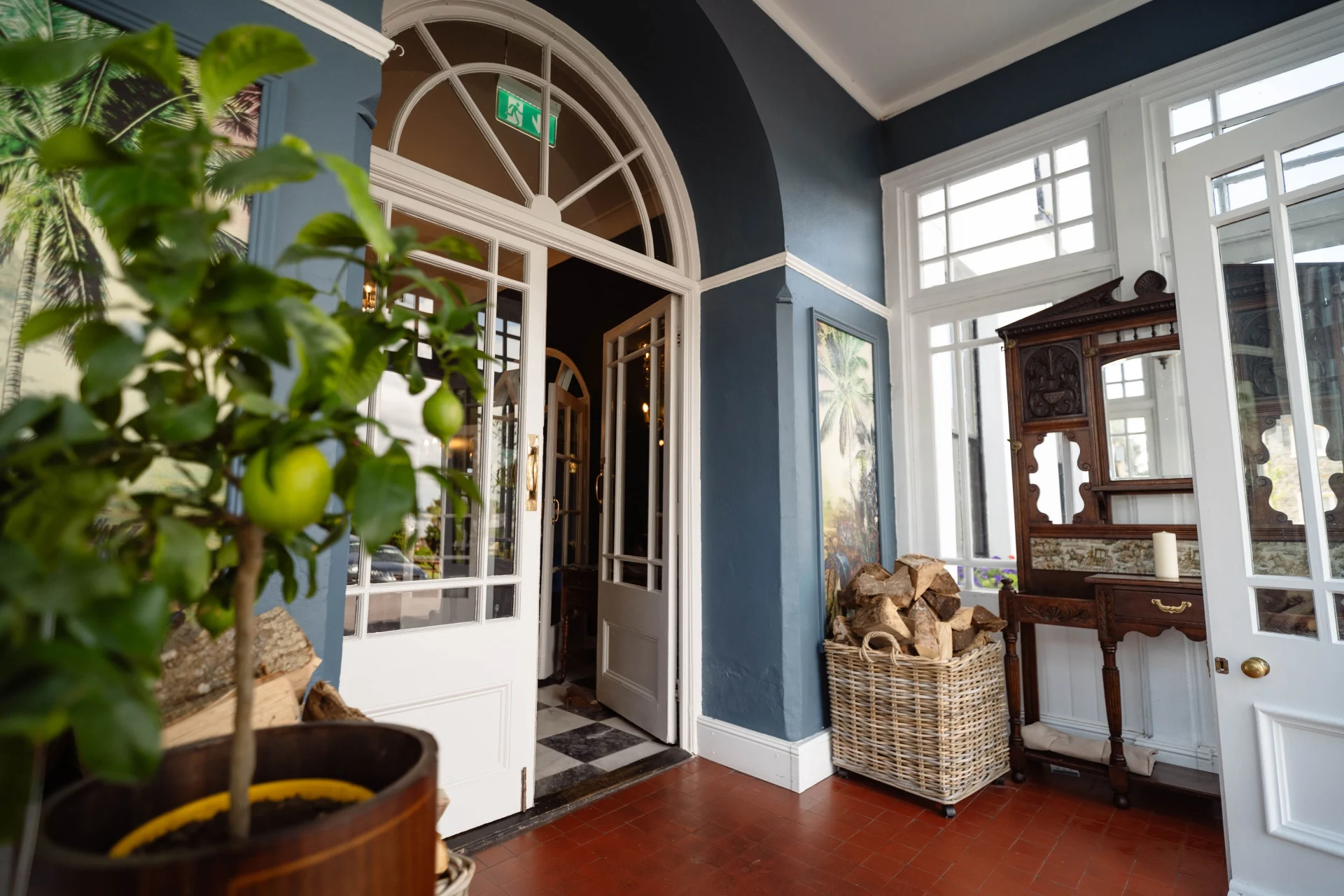
The house opened as a hotel in the 1920s, offering sea air and warm hospitality. Since 1973, four generations of the Adams family have welcomed guests to this cherished corner of West Cork, shaping Courtmacsherry Hotel with their creativity, warmth and hospitality. Today the hotel is run by Billy Adams, alongside his wife Ellen and their children. Billy himself grew up within these very walls.

Once a majestic summer residence built between 1841 and 1851, our hotel was initially the lavish retreat of the Earl of Shannon. The hotel’s design features the popular curved gables of late 18th and early 19th-century Irish country houses, a testament to its time as the estate of the Boyle family. After surviving the tumult of Ireland’s War of Independence, the building was lovingly restored, retaining its historical charm while embracing the needs of modern guests. The hotel still features many of the original features, with its exposed stone walls and original tiled floors. The house that became the hotel was once home to three noble sisters – Lady Jane, Elizabeth and Charlotte Boyle – whose memory lives on in local stone and story.

Planted in 1842, the Cork tree at Courtmacsherry is a living piece of history. Its sprawling branches and thick, textured bark speak of the decades it has stood through, enduring the elements and growing alongside the community. The tree itself is a type of oak native to the Mediterranean region, specifically valued for its bark, which is harvested as cork. Remarkably, this species has thrived here, far from its native climate, making the Courtmacsherry Cork tree a botanical anomaly and a cherished landmark.

Billy’s father, Terry Adams, brought more than fine cooking to the hotel — he brought joy. With his quick humour, his stories, and the songs he’d burst into without warning, he could lift any room. After long hours in the kitchen, he loved nothing more than meeting guests, sharing a laugh, and making everyone feel at home. His mother, Carole Adams, looked after the stables, offering guests the chance to explore the countryside on horseback along scenic trails.
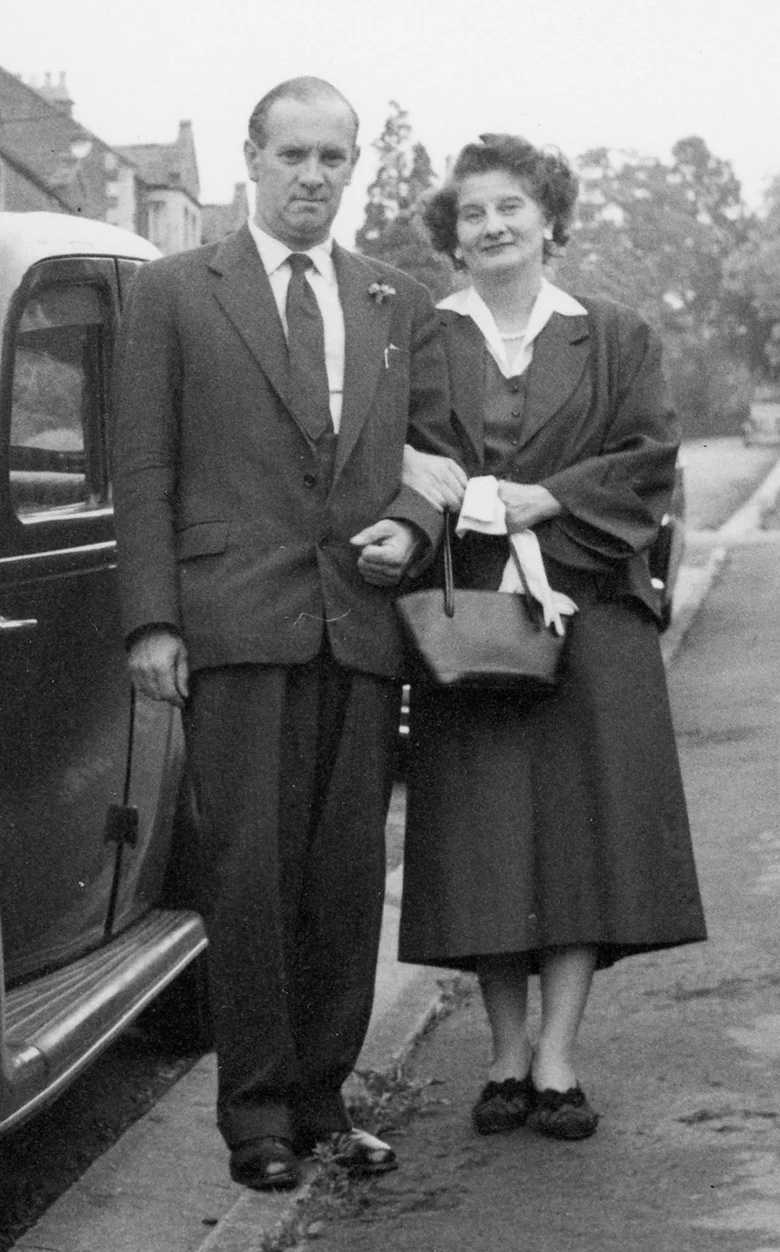
Throughout the hotel on every wall you’ll discover beautiful paintings and each one holds a story. They were created by Billy’s grandfather, the late Dr. Denis Adams, a man of many talents. A doctor of chemistry, he is credited with inventing a formula for the colour white that is still used today. He was a gifted artist and a passionate wine connoisseur.
Courtmacsherry is a place steeped in history – a quiet fishing village with stories stretching back to Norman times. Among the earliest settlers were the De Barrys and Hodnetts, whose legacy lingers in the names Barryroe and MacSherry. The land eventually passed to the influential Boyle family – one of the most powerful dynasties in Ireland.
Richard Boyle, the 1st Earl of Cork, built towns, funded churches and even inspired scientific breakthroughs. His son, Robert Boyle, gave the world ‘Boyle’s Law’. In the 19th century, Courtmacsherry flourished with pilchard fishing, smuggling and weaving. The Great Famine left deep scars, but also led to the building of piers and roads still in use today. In 1891, the arrival of the Timoleague and Courtmacsherry Light Railway brought visitors from far and wide. We invite you to explore Courtmacsherry and surrounding areas, to breathe it in and to make your own memories here, by the bay.


Since 1825, the Courtmacsherry Lifeboat has stood as a watchful guardian of the bay, its brave crews venturing into storm and darkness to answer the call of those in peril on the sea. These volunteers — fishermen, farmers and neighbours, have passed down a legacy of service from one generation to the next.
The sound of the maroon flare in the sky still sends ripples through the village, stirring both worry and pride. Courtmacsherry’s lifeboat has faced all manner of rescue: stricken fishing boats, holiday vessels caught in the tide and moments that bind the community in shared memory.
Today, the RNLI lifeboat moored in our harbour is not only a vessel but a living link to 200 years of maritime history. As one of the very first lifeboat stations in Ireland, it has become a proud emblem of courage, selflessness and community. It reminds us that in this small seaside village, ordinary people have always done extraordinary things.

In January 2009, Courtmacsherry found itself host to an unexpected and rather enormous visitor, a majestic fin whale, nearly 18 metres long, washed ashore just across the bay. The tide had lured it in, but sadly, the sea did not take it back. Despite frantic efforts by the Courtmacsherry Lifeboat crew and volunteers armed with ropes, buckets and hope, the mighty creature could not be saved.
The whale now rests permanently inland, its skeleton is on display in the nearby village of Kilbrittain. You can visit it and find out more of the story of the Whale who left children wide-eyed and grown men scratching their heads. For details visit https://www.discoverireland.ie/cork/kilbrittain-whale.
Here in Courtmacsherry, we like to think the whale came to say something, perhaps to stir awe, to remind us of the wild beauty just beyond the headland or maybe just to give the children something to talk about for years to come. And talk they still do.